The Data Center Boom: Mitigating Risks from Construction to Completion
Risk ManagementArticleAugust 20, 2025
The relentless acceleration of digital transformation and data transmission worldwide has made data centers indispensable infrastructure. Organizations now depend on these complex facilities to maintain connectivity, ensure security, and power the digital economy. To keep pace with growing demand, data center construction is booming, U.S. projections estimate companies will spend an astounding $112.33 billion by 2030, a compound annual growth rate of over 15%.¹
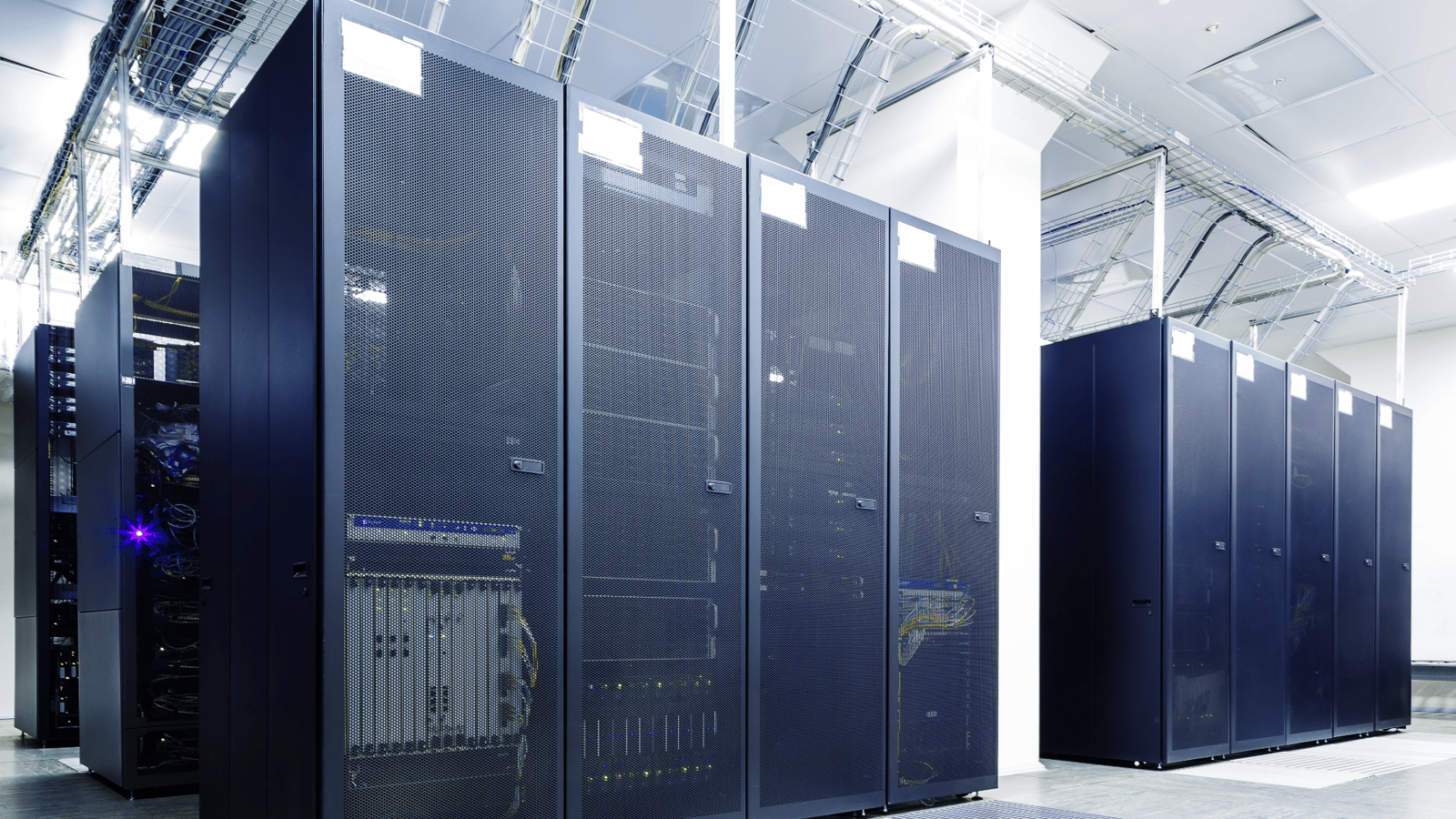
Yet, to call data centers mere warehouses filled with servers is a misconception. In reality, these are sophisticated, high-voltage technical facilities. Their construction brings a unique set of safety and environmental hazards, from fire and electrical risks to physical security concerns and community impacts. Understanding and addressing these dangers is crucial. Early and effective risk mitigation not only prevents costly delays and overruns, but more importantly, saves lives.
The Unseen Complexity: Scale, Pressure, and Peril
Modern data center construction is monumental. Projects can cost upwards of a billion dollars and demand the skills of around 1,500 workers per site. The urgency to complete these digital fortresses, driven by rising demand and massive investments, puts pressure on timelines, budgets, and labor. The result: a fast-paced environment where hazards multiply, threatening both project success and worker safety.
Imagine the experience of an electrician in such a hyperscale environment. Encased in a 40-calorie arc flash suit, every movement deliberate, the hum of medium voltage in the air, temporary power on one side, permanent power on the other. The work is surgical, high-stakes, and leaves little room for error. In such settings, enhancing worker safety isn’t just an option; it’s imperative.
A Spectrum of Peril: Key Construction Risks
The complexity of data center builds translates into a spectrum of potential hazards:
- Electrical and Fire Hazards: Live wires and high-voltage installations pose electrocution risks. Improper grounding or faulty temporary power can result in shocks or fires. The combination of flammable materials, generator fuel, and high-risk “hot work” (like welding) heightens fire danger. Arc flash incidents can cause severe burns and injuries.
- Physical and Structural Dangers: Construction sites are dynamic and hazardous. Falls from height, moving equipment, and falling objects are everyday risks. Heavy machinery introduces dangers of crush injuries and collisions. Confined spaces, like server rooms and utility tunnels, may have poor ventilation or hazardous gases, raising risks of asphyxiation or entrapment.
- Ergonomic and Chemical Exposures: Handling heavy servers, racks, and cabling can lead to musculoskeletal injuries, while repetitive tasks cause chronic strain. Workers are also exposed to chemicals from cleaning agents, sealants, refrigerants, and corrosive substances in battery rooms.
- Environmental and Sensory Challenges: Extreme temperatures, poor lighting, and inadequate ventilation increase the risk of accidents. Noise and vibration from equipment can cause long-term health issues.
- Human and Organizational Factors: Lack of training or proper PPE, unclear safety protocols, and the presence of multiple contractors can escalate risks. Poor signage and site layout can lead to confusion. Resource constraints mean less-experienced workers may face unfamiliar exposures, increasing the likelihood of incidents.
Beyond the Build: Proactive Risk Mitigation
Given these risks, proactive mitigation is essential. The industry is still learning to keep pace with the scale and complexity of data center construction. Involving a risk management firm like Zurich Resilience Solutions early in planning can help owners and operators understand exposures, define actions, and implement robust safety practices, significantly reducing overall risk.
Conclusion: Building a Safer Digital Future
While the data center boom signals digital progress, it also spotlights the need for stronger safety and risk management throughout construction. Ongoing education, collaboration, and innovation are key. Risk professionals help keep projects on time and within budget by identifying and mitigating risks early and continuously. With thorough planning, adherence to standards, and robust safety protocols, we can build a safer, more resilient digital future.