Protecting people and productivity in a warmer world
Risk ManagementArticleSeptember 18, 2025
Extreme heat is the new normal. Find out how workplaces can adapt to help people manage heat stress and stay productive
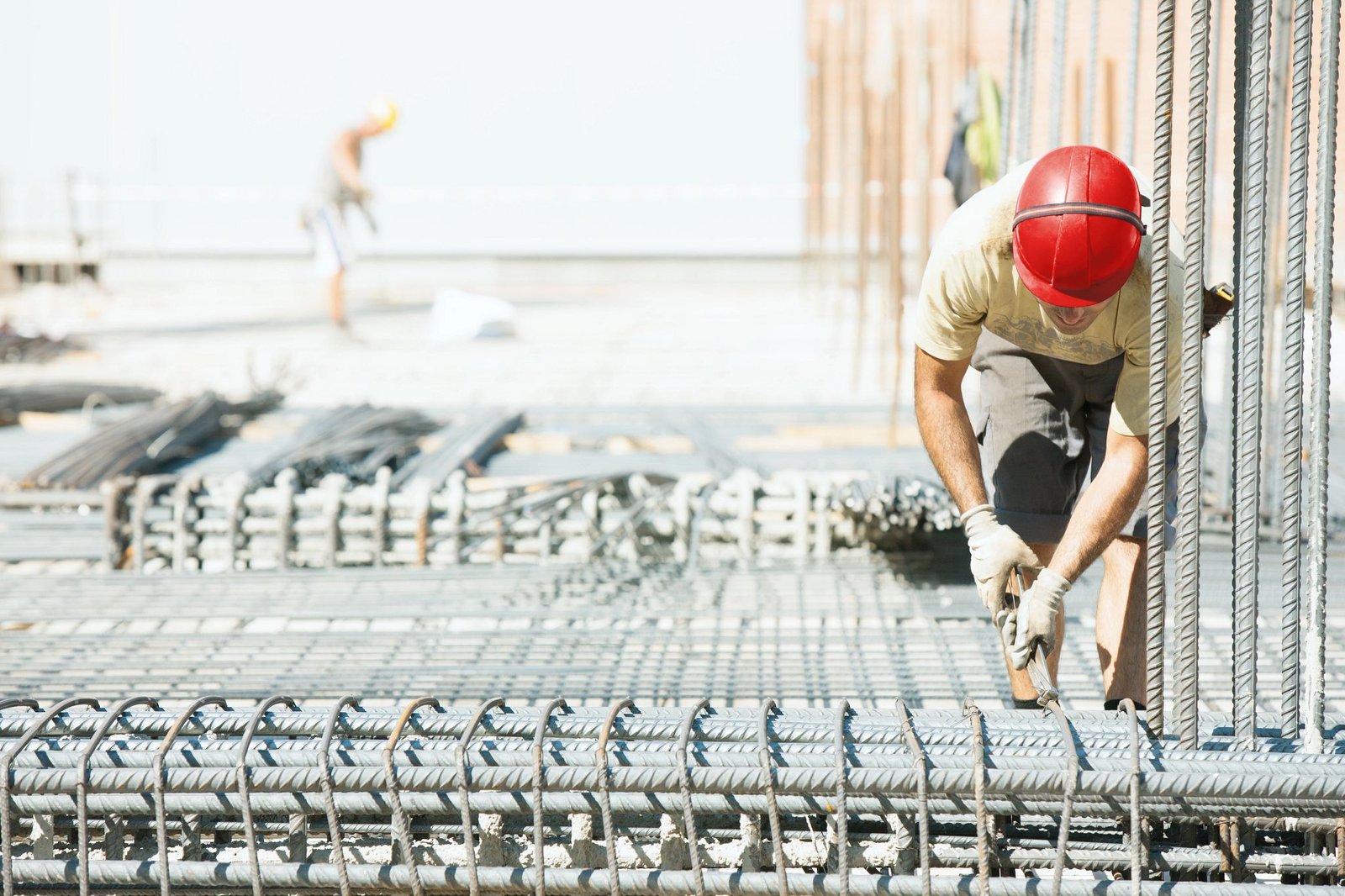
What does your typical workday look like? Whether you work at home, in an office, on a factory floor, a construction site, on the land, in a hospital, school or somewhere else you will likely have noticed more of your time is spent working in hotter temperatures.
Whether you work indoors or outdoors, or live in the Global North or South, extreme heat affects everyone. It impacts your people and their productivity. The good news is leaders can take practical steps that create workplaces that are more resilient to extreme heat.
In 2024, 47 of the 50 biggest cities in the United States experienced more extremely hot days than average. An extremely hot day is where the temperature is 95F (35C) or hotter.
The same trend is being seen in countries across the world. The International Institute for Environment and Development analysed the 20 biggest cities in the world and found a 52% increase in the number of days reaching 35C over the past 30 years. The world is getting hotter, and workplaces need to adapt.
In the ten years between 2014-2023 Beijing had 245 extremely hot days, compared to 110 in the previous decade. London experienced fewer hot days than Beijing with 59 days of extreme heat, however this was also a two-fold increase on the previous decade. The trend is clear.
“In every region, rising temperatures creates rising risks. Tackling heat stress means putting people first - strengthening your safety culture, protecting health and ensuring long-term productivity and organizational resilience.”
Civic leaders can do more to create places that adapt to the reality of hotter temperatures as shown by Madrid. However, air temperature is just one factor in how each of us experience heat. Humidity, radiant heat from the sun or other heat sources in the workplace, and air movement are also key factors. The choices leaders make about how work gets done can make heat stress more or less likely for their people
What do hotter temperatures mean for workers’ health?
Heat-induced occupational illnesses and injuries happen when the total heat load from the environment and heat generated in the body exceed our capacity to maintain normal body functions without strain. This is heat stress. For example, people working outside on a construction site on a hot day, or close to equipment with radiant heat, or in a building with restricted air flow will face a higher heat load from the environment. Three factors combine to create heat stress risks.
- Environmental factors: High temperatures, humidity, poor air movement, and radiant heat from equipment all contribute to heat load.
- Work-related factors: The intensity and duration of physical tasks, along with the type of personal protective equipment required, affect how much heat the body retains.
- Personal factors: Health status, acclimatization, age, and hydration habits influence individual vulnerability. New or returning workers are at heightened risk if not gradually reintroduced to hot environments.
Signs of heat stress can range from feeling fatigued and unable to concentrate fully, through heat rashes and cramps, to exhaustion and heat stroke. Heat exhaustion and heat stroke are serious conditions that can be fatal and require immediate medical attention.
What are consequences of heat stress for organizations?
We will all have experienced fatigue on a hot day: the feeling of being less alert or able to concentrate. Your personal productivity drops by around 2-3% for every degree of temperature increase above 20C.
Zurich claims data analysed by Zurich Resilience Solutions show an increase in incidents from workplace injuries and vehicle collisions during periods of extreme heat. A study in Italy found injury rates rise significantly when daily average temperatures get above just 28C.
Heat stress risks are not just limited to sectors that mainly work outdoors like construction and agriculture. Factories, warehouses, offices, and even vehicles without adequate cooling can increase heat stress for workers.
Reduced concentration and decision making ability heighten the risk of errors, impacting safety and productivity across an organization. Heat stress isn’t just a safety issue. It’s a people and productivity issue. For leaders these trends signal the need to think about heat stress could affect their operations.
What should organizations and senior leaders do to manage extreme heat?
You can start by treating extreme heat as a risk and understanding the potential consequences for your people and operations. The frequency and intensity of extreme heat events has risen, increasing risks for both outdoor and indoor workers. To address this, we recommend a program of preventive measures to protect people and your organization.
The programme should be tailored to your organization’s needs, but it should include:
- A review of job tasks and the work environment to understand where and when your people might be exposed to higher risk of heat stress.
- A clear policy on how work in hot environments is managed, such as starting work earlier in the day when it is cooler, increased rest times, restricting overtime, and more frequent shorter exposures to hotter temperatures
- Education for all workers and first aiders to raise awareness of the risk factors such as the body’s reaction to heat, clothing, pacing of work, acclimatization to hotter conditions, lifestyle issues and diet, fluid replacement, and the signs and symptoms of heat stress.
- Use a heat index tailored to local conditions to determine which protective measures are implemented based on the temperature. This means everyone is clear on what protective measures will be implemented and when.
- Consideration of practical protective measures linked to the heat index such as:
- Providing cool, air-conditioned or shaded areas close to the work area for rest breaks.
- Agree a work-rest regime based on the pace and type of work being performed.
- Providing an adequate supply of cool water in convenient and visible locations close to the work area and promoting frequent fluid intakes at least once per hour.
- Increase air flow to promote cooling using fans or other devices, if possible.
- Allow workers to acclimatize by gradually increasing exposure to heat over a five-day work period and allow more frequent breaks during the acclimatization period.
- Schedule more strenuous tasks for cooler times of day.
- Encourage people to wear lightweight, light-colored and permeable clothing, if it doesn’t introduce other safety risks
- Encourage open discussion with your people about heat stress, and what to do if someone is showing the signs
Across the world we are experiencing longer periods of hotter weather. This increases heat stress risks for all people. Heat can have a significant effect on health and the individual productivity. Mistakes that lead to accidents and injuries, or bad decisions are more likely in hotter conditions.
As organizational leaders we can do more to thoughtfully create workplaces that are more resilient to heat stress. By assessing the risks to your organization and considering how heat might affect critical operational tasks you can agree a program of practical action that will help your organization protect people, stay productive and be resilient.
For more information on the risks related to rising temperatures contact us on zrs.enquires@uk.zurich.com.
References
These American cities are heating up the most | CNN
Heat - Heat Hazard Recognition | Occupational Safety and Health Administration
Unsafe temperatures, unsafe jobs: The impact of weather conditions on work-related injuries
WHO, WMO issue new report and guidance to protect workers from increasing heat stress