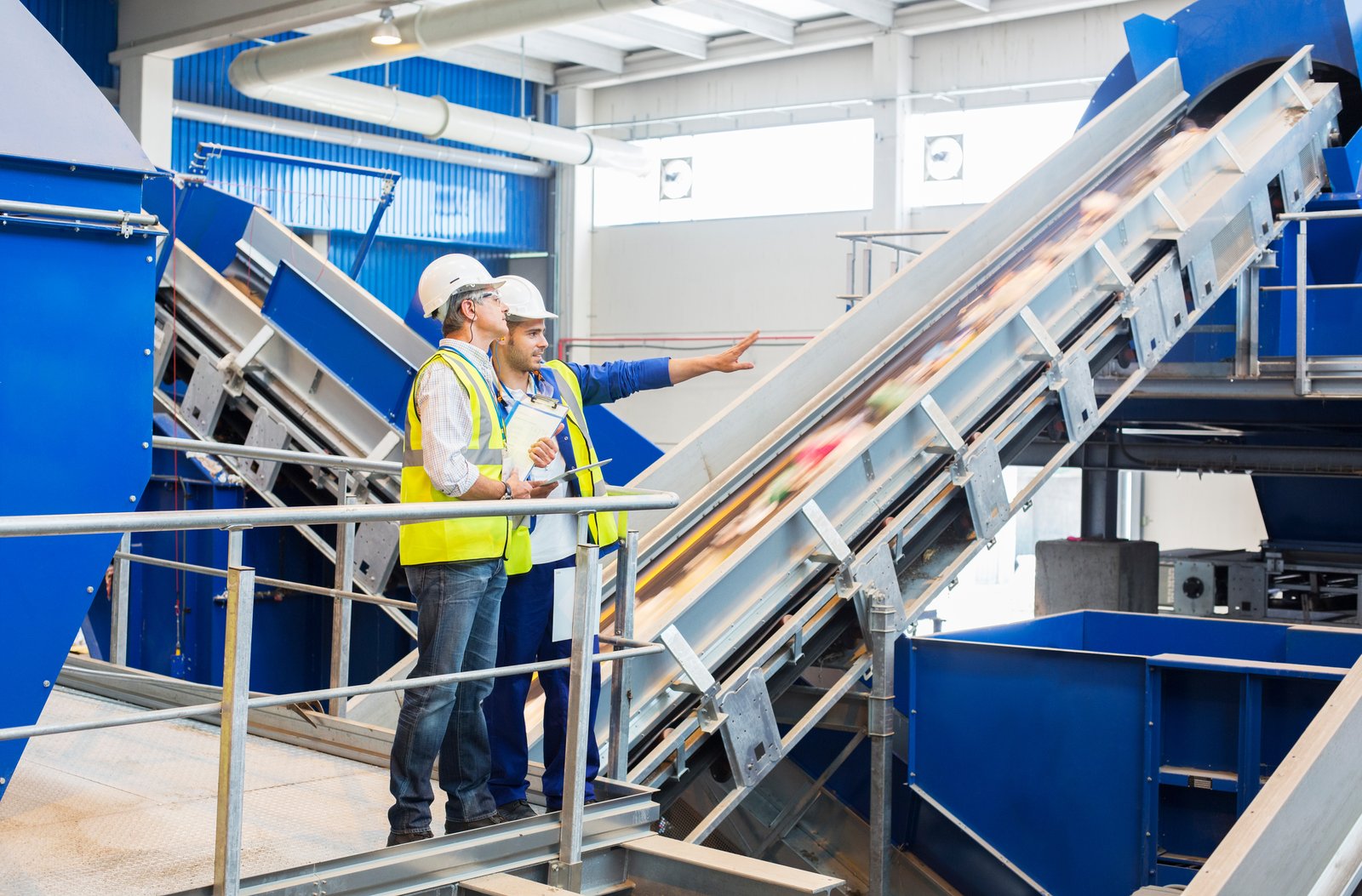
Transforming Waste Management: How one company took a new approach to become a leader in safety
ArticleMarch 19, 2026
Lakeshore Recycling Systems (LRS) has prioritized safety as foundational to all its operations, embedding it across facilities, vehicles and teams. This proactive approach—from implementation of telematics and video technology in vehicles, to structured leadership assessments and improved communication protocols—have led to measurable risk and operational improvements:
- Significant reduction in claims and incidents
- Improved worker safety
- Faster, more reliable incident investigations and driver protection
- Improved compliance
- Minimized regulatory and operational disruption
At LRS, safety is the foundation of every decision impacting employees across its 11 recycling facilities and the 1.2 million households the organization serves. Richard Rabs, Vice President of Risk, puts it this way: “Safety is not a one-and-done action, it is an ongoing commitment.”
Beyond internal values, industry regulation requires LRS to manage transportation and regulatory risks to protect stakeholders and deliver reliable service. A single disruption can ripple across routes and locations, driving up costs and eroding customer trust. Tightening safety and environmental regulations also mean non-compliance can result in steep penalties and ecological damage. For LRS, safety and compliance are non-negotiable.
LRS recognized risks were still present but needed more data and external insight to fully understand their impact. Transportation exposures, regulatory hazards and operational complexities meant that even small missteps could have serious consequences.
A Turning Point: Simulated DOT Audit
A breakthrough came with a Simulated Department of Transportation (DOT) Compliance Assessment conducted by a Zurich Resilience Solutions risk consultant and modeled on the Federal Motor Carrier Safety Administration’s (FMCSA) audit methodology. The exercise was designed to provide a realistic look at compliance and operational practices, illuminating challenges and opportunities rather than assigning blame. This service helps fleet operators proactively identify compliance gaps, mitigate risks and improve operational safety.
DOT audits can occur at any time, and failure carries severe consequences, including fines, suspension of drivers or certification, and in severe cases, business shutdown and reputational damage.
The assessment delivered meaningful insights and a practical roadmap for LRS to strengthen its safety program. Three key focus areas emerged:
- Coaching Field Leadership – Equipping frontline leaders to consistently reinforce safety standards.
- Developing Success Metrics – Establishing measurable indicators to track progress and assert accountability for leadership and drivers.
- Improving Communication and Process Consistency – Closing gaps in reporting (including DBIR) and standardizing procedures to help ensure clarity, speed, and follow through of risk improvement actions across the organization.
The simulated audit identified areas for improvement while offering specific risk mitigation strategies, setting the stage for LRS to embed safety deeper into its operations, training and culture.
Collaboration built on safety
Lakeshore Recycling Systems’ growth has been strengthened by a longstanding engagement with Zurich Resilience Solutions. Over the years, the Zurich Resilience Solutions team has delivered a host of services that extend beyond baseline compliance: industrial hygiene assessments, property risk engineering, incident reviews, a mock OSHA visit, training and development and targeted loss control efforts that enhance operational resilience.
The teams also collaborate with underwriting associates to align risk management strategies with LRS’s broader business goals, better ensuring safety initiatives support both risk reduction and operational efficiency.
Actions taken with impactful results
Following the Simulated DOT Assessment and safety reviews, LRS implemented several risk improvement initiatives:
- Telematics and video in every vehicle: At least six high-definition cameras were installed per vehicle, integrated with telematics for actionable insights. Cameras are used for coaching and driver protection in the event of incidents—not surveillance—reinforcing trust and transparency.
- Monthly Leadership Vehicle Assessments: A structured cadence that keeps leaders engaged, reinforces safety standards and sustains momentum in optimizing services.
- Culture Reinforcement: Leadership communicated that safety is an uncompromising responsibility. Communication processes were improved, operational practices were standardized and expectations re-established so teams could operate with clarity and confidence.
These changes delivered measurable and cultural benefits. LRS saw claims reduction across key categories and significant improvement in worker safety. The introduction of telematics and video evidence has proved invaluable in disputed incidents, exonerating drivers and strengthening organizational trust while reducing liabilities.
Building a resilient safety culture requires vigilance, adaptability and continuous investment in technology and training. LRS’s strong relationship with Zurich Resilience Solutions’ trusted risk consultants helps align safety strategies with broader business objectives and ensures practices stay ahead of evolving risks.
About Lakeshore Recycling Systems
Lakeshore Recycling Systems. "About Us | LRS Waste & Recycling Services." LRS